Leading the Food Ingredient Supply Chain  |  2,500+ Ingredients · 48 States

China Top Yeast Extract Manufacturers & Supplier

An Executive Technical Whitepaper & Industrial Sourcing Guide for Global Food Ingredient Procurement & R&D Formulators

Specialty Yeast Extracts & Synergistic Preservative Solutions
Vetted high-purity flavor enhancers, bio-fermented extract fractions, and food safety preservation systems for global B2B procurement.
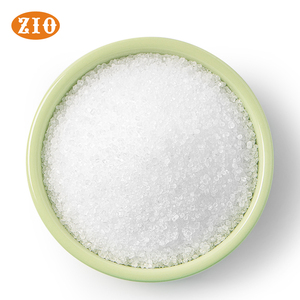
Natural Preservative Citric Acid Anhydrous E330
Natural Preservative Citric Acid Anhydrous E330 for Food Beverage
CAS: 77-92-9 Grade: Food Grade Mesh: 30-100
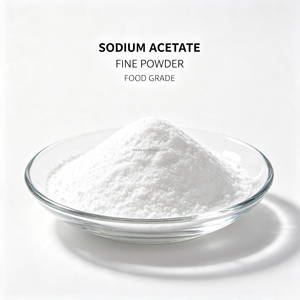
High Purity 99% Anhydrous Sodium Acetate Food Grade Powder
High Purity 99% Anhydrous Sodium Acetate Food Grade Powder Preservative
CAS: 127-09-3 Purity: ≥99% Buffering Agent
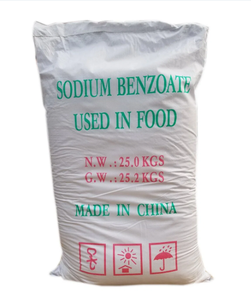
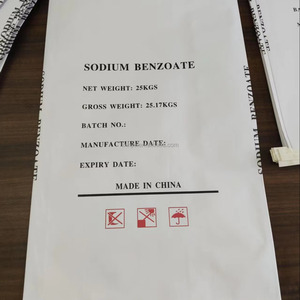
Sodium Benzoate Preservatives Powder Food Grade 25kg Drum
Sodium Benzoate Powder Food Grade 25kg Drum 2 Year Shelf Life
CAS: 532-32-1 Kosher & Halal Anti-Fungal
Food Grade Potassium Sorbate 99% Granules Preservative
Food Grade Potassium Sorbate 99% Granules Preservative For Bakery
FCC IV / E202 Form: Granular High Solubility
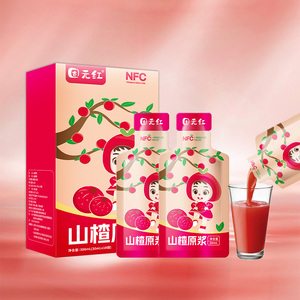
100% Natural Pure Hawthorn Fruit Puree Preservatives
100% Natural Pure Hawthorn Fruit Puree HACCP & ISO Certified
Clean Label Botanical Extract Aseptic Pack
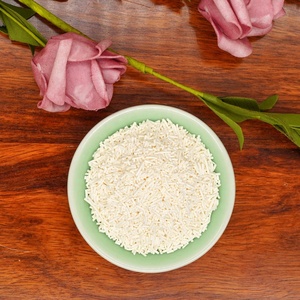
Food Grade Sodium Benzoate Preservative E211 High Purity White Granule
Food Grade Sodium Benzoate E211 High Purity White Granule
E211 Standard 25kg/bag Zero Odor
Preservative & Antioxidants Cinnamic Acid Powder CAS 140-10-3
Preservative & Antioxidant Cinnamic Acid Powder Food Grade
CAS: 140-10-3 Antioxidant Natural Flavor
Natural Food Preservative 95% Epsilon-PolyLysine Hydrochloride
Natural Bio-Preservative 95% Epsilon-PolyLysine (EPL) Hydrochloride
Bio-Fermented Broad-Spectrum Clean Label
2,500+
Ingredients Stocked & Sourced
100%
Batch Traceability & COA Verified
48+
Global Freight Destinations
ISO/HACCP
Audited Processing Facilities

Executive Summary: China's Strategic Supremacy in Yeast Extract Manufacturing

The global savory flavor and clean-label food landscape is undergoing a structural transformation. As international consumer preferences shift rapidly away from synthetic flavor enhancers—such as Monosodium Glutamate (MSG), Hydrolyzed Vegetable Proteins (HVPs), and Disodium 5'-ribonucleotides—toward transparent, natural, and nutrient-dense alternatives, Yeast Extract (YE) has emerged as the definitive functional cornerstone for modern food processing. Strategic procurement officers and chief technology officers (CTOs) across the food, beverage, and pet nutrition sectors increasingly recognize China as the world's most sophisticated manufacturing hub for high-yield, bio-fermented yeast derivatives.

China's top yeast extract manufacturers leverage unprecedented economies of scale, abundance of high-quality molasses and starch hydrolysate substrates, and proprietary precision-fermentation bio-engineering. By employing advanced strain selection of Saccharomyces cerevisiae and state-of-the-art enzymatic autolysis, leading Chinese producers yield yeast extracts with unmatched concentrations of free amino acids, natural 5'-nucleotides (GMP and IMP), and bio-active γ-glutamyl peptides responsible for the coveted Kokumi (mouthfulness and richness) sensation.

Information Gain Insight: Modern yeast extract procurement is no longer a commodity purchase based solely on protein percentage. Advanced B2B buyers evaluate suppliers based on specific peptide molecular weight distribution, thermal stability during retort/extrusion processing, and precise sodium-reduction synergy ratios without loss of organoleptic impact.

Understanding Technical Classifications & Functional Profiles

To optimize product formulation and cost-in-use metrics, food scientists and sourcing specialists must categorize yeast extracts according to their bio-chemical extraction method and target sensory profile:

Standard Autolyzed Extracts

Produced via endo-enzymatic breakdown of the yeast cell soluble components. Rich in balanced amino acids, providing a rounded brothiness, background savory foundation, and high heat stability for soups, bouillons, and extruded snacks.

High-Nucleotide (I+G) Extracts

Enzymatically boosted with 5'-Inosine Monophosphate (5'-IMP) and 5'-Guanosine Monophosphate (5'-GMP) levels ranging from 8% to 20%. Specifically engineered to deliver a sharp, immediate Umami burst, allowing formulators to reduce sodium chloride content by up to 40%.

Kokumi Enriched Extracts

Concentrated in naturally fermented peptides (γ-glutamyl-valyl-glycine). Kokumi extracts do not impart taste on their own but dramatically amplify thickness, continuity, mouth-coating richness, and long-lasting savory notes in low-fat dressings, plant-based meats, and dairy analogs.

Future Procurement Trends (2025–2030): Navigating the Global Yeast Extract Supply Chain

As corporate sustainability directives and global economic volatility shape raw material sourcing, B2B ingredient buyers must adapt to four critical procurement trends driving China's yeast extract industry:

1. Paradigm Shift toward Clean-Label Salt Reduction

Global regulatory bodies, including the US FDA and EU EFSA, are implementing stringent sodium reduction targets for processed foods. Yeast extract serves as the most effective bio-derived salt replacer. By utilizing specific peptide fractions that activate human oral TRPV1 and umami taste receptors, Chinese manufacturers are delivering standardized yeast extracts capable of maintaining salty perception in reduced-sodium soups, cured meats, and ready meals without metallic off-tastes associated with potassium chloride.

2. Rise of Plant-Based and Precision-Fermented Analog Mapping

The alternative protein sector requires sophisticated flavor solutions to mask off-notes from pea, soy, and faba bean proteins. Chinese producers have developed tailored yeast extracts rich in Maillard reaction precursors (specific free amino acid profiles combined with natural reducing sugars). When thermally processed during extrusion or cooking, these extracts generate authentic roasted meat, poultry, or savory grilled notes naturally, completely removing the need for artificial flavorings.

3. Integration of Bio-Circular Economy Substrates

Leading yeast manufacturers in China are pioneering zero-waste production ecosystems. Fermentation plants are integrated adjacent to agricultural processing operations, utilizing upcycled beet sugar molasses, cane molasses, and wheat starch wash water. Furthermore, the insoluble yeast cell wall fractions remaining after autolysis are separated and refined into valuable high-purity Beta-Glucan and Mannan-Oligosaccharides (MOS) for animal nutrition and human immune health markets, lowering overall manufacturing overhead and environmental footprint.

4. Direct-Factory Forward Contracting & Strategic Buffer Warehousing

To insulate global supply chains from ocean freight fluctuations and seasonal substrate cost shifts, procurement leaders are departing from spot-market trading in favor of multi-year forward contracts with verified primary manufacturers in China. Strategic buyers utilize vendor-managed inventory (VMI) programs and regional warehouse distribution centers across North America and Europe to guarantee 48-hour delivery continuity for critical production runs.

Research & Product Development Trends: Molecular Flavor Precision

The Frontier of yeast biotechnology is defined by targeted enzymatic cleavage. Historical yeast autolysis relied primarily on endogenous yeast enzymes, which frequently yielded batch-to-batch flavor variations and occasional bitter hydrophobic peptide sequences. Today, China's elite manufacturing facilities employ multi-stage controlled enzymatic hydrolyses using specialized exogenous endo-peptidases and exo-peptidases.

Enzymatic Customization Matrix

By controlling hydrolysis temperature, pH, enzyme cut points, and reaction duration, formulators can dial in specific molecular weight distributions:

  • Peptides < 1,000 Da: Primary drivers of immediate umami perception and rapid flavor release.
  • Peptides 1,000–3,000 Da: Responsible for sustained mouthfeel, body, and savory continuity (Kokumi).
  • Free Glutamic Acid & Nucleotide Ratios: Dynamically calibrated to replace MSG at a 1:1 functional equivalency ratio while keeping labeling 100% clean ("Natural Flavor" or "Yeast Extract").

Thermal Stability in Retort & Extrusion

A major breakthrough from top Chinese R&D centers is the development of heat-stable yeast extract powders designed for high-temperature short-time (HTST) extrusion and canned food retort processes (>121°C). These advanced grades do not degrade or lose flavor potency under extreme thermal stress, preserving aromatic integrity throughout industrial shelf life.

Enterprise Advantages: Partnering with China's Premier Supply Network

When sourcing industrial food ingredients, supply chain managers require an integrated partner that combines massive manufacturing capacity with total quality compliance and regulatory transparency. Referring to proven global distribution models—such as American International Foods, Inc. (AIFI)—premier Chinese yeast extract manufacturers offer complete, stress-free supply chain integration:

  • Consolidated Multi-Ingredient Sourcing: Beyond core yeast extracts, buyers can bundle essential food preservation matrices including Citric Acid Anhydrous, Sodium Acetate, Potassium Sorbate, Sodium Benzoate, and Natural Bio-Preservatives like Epsilon-PolyLysine (EPL) under a single logistics clearance.
  • 100% Audit-Ready Quality Documentation: Every production batch ships accompanied by fully traceable Certificates of Analysis (COA), detailed Product Technical Data Sheets (TDS), Safety Data Sheets (SDS), Allergen Statements, Non-GMO Project Verification, along with internationally recognized ISO22000, HACCP, FSSC22000, Kosher, and Halal certifications.
  • Formulation & R&D Bench Support: In-house food technology laboratories assist customer R&D teams with dosage optimization, salt-reduction bench testing, flavor profiling, and custom blend development to streamline trial runs.
  • Weekly Market Intelligence & Cost Indexing: Transparent insights into raw substrate prices (molasses, energy, freight rates), empowering purchasing desks to execute forward coverage at optimal pricing windows.

Frequently Asked Questions (B2B Sourcing FAQ)

What is the difference between Yeast Extract and Hydrolyzed Vegetable Protein (HVP)?
Yeast Extract is produced via the biological fermentation of natural Saccharomyces cerevisiae yeast, followed by enzymatic autolysis of soluble cell contents. It is classified as a natural food ingredient and clean-label flavor enhancer. In contrast, HVP is typically produced by acid hydrolysis of soy or corn protein using hydrochloric acid, which can form unwanted chemical by-products like 3-MCPD. Yeast Extract provides a superior, cleaner flavor profile and is widely preferred for clean-label consumer products.
How does high-nucleotide Yeast Extract facilitate sodium reduction in formulations?
High-nucleotide yeast extracts contain naturally elevated levels of 5'-IMP and 5'-GMP. When combined with naturally occurring free glutamic acid, a powerful synergistic effect occurs that activates human tongue umami receptors far more intensely than MSG or salt alone. This sensory enhancement allows food manufacturers to decrease sodium chloride (table salt) concentration by 20% to 40% without compromising the perceived saltiness, savory fullness, or consumer liking of the final product.
What certifications are provided with bulk Yeast Extract shipments from China?
All premier Chinese export facilities maintain rigorous international certification standards. Every order is supplied with comprehensive lot-specific Certificates of Analysis (COA), ISO 22000, HACCP, FSSC 22000, Kosher, Halal, Non-GMO statements, Heavy Metal & Pesticide clearance reports, and Allergen-Free documentation suitable for US FDA and EU regulatory audits.
What are the typical Minimum Order Quantities (MOQs) and packaging formats?
Standard commercial packaging for dry yeast extract powder consists of 25kg multi-wall paper bags with PE moisture-barrier inner liners, or 1,000kg bulk tote bags for automated dosing systems. Liquid paste extracts are supplied in 200kg food-grade drums or 1,000kg IBC totes. Standard MOQs start at 1 Metric Ton (1,000 kg) for stock formulations, with custom blending and private-label packaging available for larger volume contracts.
What is the typical shelf life and storage requirement for Yeast Extract powder?
When stored in its original unopened packaging in a cool, dry warehouse (temperature <25°C, relative humidity <65%), powder yeast extract maintains a verified shelf life of 24 months from the date of manufacture. Because yeast extract powder is hygroscopic, opened bags should be tightly resealed to prevent clumping.
Can China yeast extract manufacturers support custom flavor matching and tailored specifications?
Yes. Advanced manufacturers possess dedicated application pilot plants capable of adjusting free amino acid ratios, nucleotide levels, salt content (ranging from 0% salt-free to 40% salted pastes), color intensity, and solubility metrics to match exact customer target samples or specific cost-in-use targets.

Accelerate Your Flavor Innovation & Secure Your Supply Chain

Connect directly with our senior application specialists and global supply chain coordinators. Request samples, custom formulation matching, or batch pricing quotes today.