Leading the Food Ingredient Supply Chain  |  2,500+ Ingredients · 48 States

China Top Vital Gluten Suppliers & Exporter

Industrial-Grade Vital Wheat Gluten & Premium Food Additives Supply Chain Whitepaper

Export-Grade Portfolio

High-Purity Ingredients & Functional Preservatives

Direct supply from audited Chinese production lines featuring full traceability, ISO/HACCP certifications, and guaranteed specification compliance for global food manufacturers.
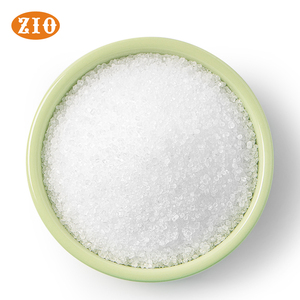
Natural Preservative Citric Acid Anhydrous E330

Natural Preservative Citric Acid Anhydrous E330 for Food Beverage

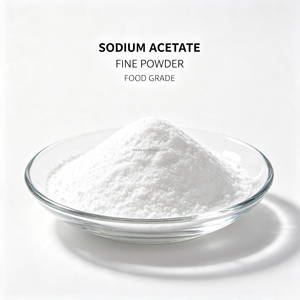
High Purity 99% Anhydrous Sodium Acetate Food Grade Powder

High Purity 99% Anhydrous Sodium Acetate Food Grade Powder Preservative

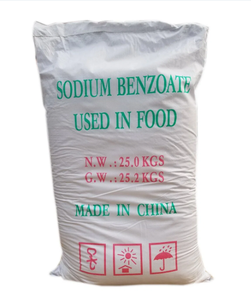
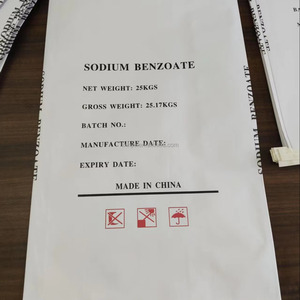
Sodium Benzoate Preservatives Food Grade 25kg Drum

Sodium Benzoate Preservatives Powder Food Grade 25kg Drum CAS 532-32-1

Food Grade Potassium Sorbate 99% Granules

Food Grade Potassium Sorbate 99% Granules Preservative For Bakery

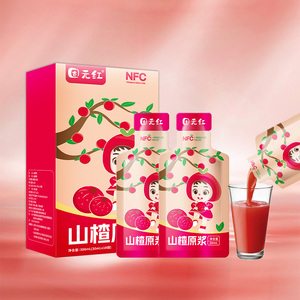
100% Natural Pure Hawthorn Fruit Puree Preservatives

100% Natural Pure Hawthorn Fruit Puree Preservatives HACCP Certified

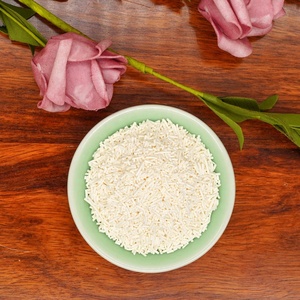
Food Grade Sodium Benzoate Preservative E211 Granule

Food Grade Sodium Benzoate Preservative E211 White Granule Kosher Halal

Food Grade Cinnamic Acid Powder CAS 140-10-3

Wholesale Price Preservative & Antioxidant Cinnamic Acid Powder CAS 140-10-3

Natural Food Preservative 95% Epsilon-PolyLysine Hydrochloride

Novenzyme Supply Natural Preservative 95% Epsilon-PolyLysine (EPL)

82%+
Protein Content (Dry Basis)
180%
Water Absorption Ratio
2,500+
Global Formulations Supported
100%
Audit-Ready Documentation
Technical Insight & Engineering

Industrial Vital Wheat Gluten Sourcing: Rheological & Functional Architecture

Vital Wheat Gluten (CAS No. 8002-80-0, HS Code 11090000) is the natural insoluble protein fraction extracted from non-GMO high-quality wheat (Triticum aestivum) through wet-processing separation. Composed primarily of two major protein fractions—Gliadin (which confers extensibility and viscosity) and Glutenin (which imparts elasticity and structural cohesiveness)—Vital Wheat Gluten represents an indispensable functional hydrocolloid across industrial baking, meat processing, aquaculture feeds, and plant-based protein synthesis.

For industrial procurement teams and food scientists, sourcing Vital Wheat Gluten from China's top suppliers requires evaluating critical rheological parameters far beyond baseline crude protein percentages. High-performance gluten must exhibit superior viscoelasticity, precise water-binding capacity (typically 150%–180% of its dry weight), rapid hydration kinetics, and robust thermal gelation properties during baking or extrusion processing.

Information Gain Keyword Architecture: Biochemical Composition

Industrial Vital Wheat Gluten functionality depends on the optimal molecular ratio of Gliadin to Glutenin (typically 45:55). Deviation in this macro-protein distribution significantly alters gas retention capacity in yeast-leavened bakery formulations and affects texturization fidelity in High-Moisture Extrusion Cooking (HMEC) for plant-based meat substitutes.

Key Rheological Specifications & Quality Metrics

When evaluating Chinese suppliers and manufacturing plants, procurement directors must standardize incoming quality control (IQC) around the following primary technical criteria:

Parameter / Specification Standard Commercial Grade Premium Bakery & Extrusion Grade Testing Protocol / Standard
Crude Protein (N × 6.25, Dry Basis) ≥ 75.0% ≥ 82.0% Kjeldahl Method (AOAC 990.03)
Water Absorption Capacity ≥ 150% ≥ 175% – 190% AACC 56-11.01 Modified
Moisture Content ≤ 9.0% ≤ 8.0% Air Oven Method (105°C, 3 hrs)
Ash Content (Dry Basis) ≤ 1.2% ≤ 0.95% Muffle Furnace (550°C, ISO 2171)
Particle Size (Mesh Pass Rate) ≥ 95% through 80 Mesh ≥ 99% through 100 Mesh Sieve Shaker Analysis
Devitalized Gluten Index Absence of enzymatic thermal damage Native viscoelastic response verified Farinograph / Gluten Index (ISO 21415)

Functional Applications Across Core Food Manufacturing Industries

The versatility of Vital Wheat Gluten stems from its unique ability to form a continuous three-dimensional viscoelastic network when hydrated and kneaded. This network traps gases released by leavening agents, establishes structural crumb strength, and holds water tightly within matrix networks.

  • Industrial Baking & Milling Operations: Added to lower-protein flour (flour fortification) to elevate dough strength, improve loaf volume, extend shelf life, enhance water absorption efficiency, and maintain tolerance during automated high-speed mechanical dough mixing.
  • Meat Processing & Surimi Products: Acts as a structural binder and water retention agent in emulsified sausages, burgers, and processed meats, increasing cooking yields, bite firmness, and preventing fat separation.
  • Plant-Based Meat Analogues (Vegetarian/Vegan Formulations): Serves as the foundational structural matrix in textured wheat protein (TWP) and High-Moisture Extrusion Cooking (HMEC), replicating the fibrous mouthfeel and structural integrity of muscle tissue in chicken and beef alternatives.
  • Aquaculture & Pet Food Formulations: High digestibility (over 90%) and strong binding attributes make it an essential binder for water-stable aquafeed pellets (preventing feed disintegration in water) and premium pet food kibbles.
Enterprise Supply Edge

Why Leading Global Manufacturers Partner with China's Top Suppliers

Combining mega-scale starch-gluten separation facilities with rigorous international quality compliance to guarantee supply continuity and batch-to-batch consistency.

Audit-Ready Regulatory Packages

Every shipment is backed by complete documentation including Certificates of Analysis (COA), Allergen Statements, Non-GMO Declarations, Heavy Metal & Pesticide Residue Screening, and ISO 22000, HACCP, Kosher, and Halal certifications.

Specification-First Sourcing

We match water absorption ratios, particle mesh dimensions, and farinograph parameters directly to your factory's production equipment line before contract finalization, ensuring zero downtime during line conversion.

Just-In-Time (JIT) Supply Logistics

Multi-origin inventory reserves, strategic ocean freight corridor contracts, and forward warehousing options absorb ocean transportation shocks, maintaining stable safety stocks for food processing plants.

Strategic Sourcing Intelligence

Future Sourcing & Global Market Trends in Vital Wheat Gluten Procurement

As global food supply chains navigate climate-driven wheat harvest yield shifts and shifting consumer demands, procurement teams must look beyond short-term spot pricing to master long-term ingredient sourcing strategies. Key macroeconomic factors shaping the Vital Wheat Gluten market over the next five years include:

1. Expansion of High-Moisture Meat Analogue (HMMA) Extrusion

Traditional soy protein isolates are increasingly supplemented or replaced by Vital Wheat Gluten due to its unique viscoelastic fiber-forming capabilities under high thermal shear. Chinese exporters are investing heavily in low-flavor, high-purity protein grades specifically designed for twin-screw extrusion systems that produce next-generation clean-label plant chicken and seafood alternatives.

2. Sustainability Indexing & Carbon Footprint Decarbonization

European and North American food brands are demanding low-carbon ingredient sourcing. Leading Chinese manufacturers are deploying closed-loop water recirculation technologies during wet starch separation, reducing environmental impact while capturing valuable coproducts (wheat starch, B-starch, and feed proteins) to minimize energy waste per metric ton produced.

3. Risk Mitigation via Forward Hedging & Annual Contracting

Agricultural commodity markets remain susceptible to fertilizer price swings, weather events, and maritime shipping rate changes. Tier-1 enterprise buyers are transitioning from spot procurement to rolling 12-to-18-month forward supply contracts linked to global wheat price indexes, securing stable landed cost structures.

Proactive Supply Chain Hedging Recommendation

Establish a dual-sourcing model pairing primary high-volume FCL ocean shipments with regional buffer warehouses. This approach prevents plant slowdowns when port congestion or customs inspection delays occur at major destination hubs.

Procurement FAQ

Frequently Asked Questions by Industrial Ingredient Buyers

Technical clarity on shelf stability, regulatory compliance, quality verification, and export logistics.

What is the standard protein dry basis requirement for export-grade Vital Wheat Gluten?
Standard export-grade Vital Wheat Gluten must achieve a minimum crude protein content of 75.0% (N × 6.25, dry basis). However, premium bakery and extrusion grades supplied by top Chinese manufacturers consistently achieve 82.0% to 84.0% dry protein content, verified via official Kjeldahl or Dumas combustion nitrogen analysis methods.
How do you verify that Vital Wheat Gluten has not been devitalized during spray drying?
Vitality is confirmed by measuring water absorption kinetics and farinograph dough development curves (AACC Method 54-21.02) or measuring the Gluten Index (ISO 21415). Heat-damaged or devitalized gluten loses its viscoelastic rebound, failing to form a cohesive dough ball when rehydrated with water at a 1:1.5 to 1:2 weight ratio.
What quality documentation accompanies export orders?
Every shipment is supported by batch-specific Certificates of Analysis (COA), Nutritional Profiles, Allergen Disclosures, Country-of-Origin Certificates, Heavy Metal Test Reports (Lead, Arsenic, Cadmium, Mercury), Pesticide Residue Analysis, and available Kosher, Halal, ISO 22000, and HACCP certifications.
What is the recommended packaging and shelf life for bulk shipments?
Vital Wheat Gluten is typically packaged in multi-wall 25kg paper bags with a inner PE liner, or in 850kg/1000kg jumbo woven super sacks (FIBC bags). Stored in a cool, dry warehouse below 20°C (68°F) and relative humidity below 60%, the product maintains full structural functionality for 24 months from the production date.
Can Vital Wheat Gluten be combined with preservatives like Sodium Benzoate or Potassium Sorbate in finished foods?
Yes. Vital Wheat Gluten provides the physical structure, while food-grade preservatives such as Potassium Sorbate (E202) or Sodium Benzoate (E211) provide microbial shelf-life protection in high-moisture bakery products, tortillas, and processed meats. Both product lines are routinely consolidated into unified export shipments.
What is the lead time for FCL (Full Container Load) ocean shipments from China?
Typical factory production and export preparation lead time is 7 to 14 days following order confirmation. Transit times vary by destination port: 14 to 20 days to US West Coast ports, 28 to 35 days to US East Coast / European main ports, and 10 to 15 days across Southeast Asia.

Partner with China's Premier Gluten & Ingredient Exporter

Streamline your ingredient procurement with guaranteed protein specs, competitive direct-from-factory pricing, and complete regulatory compliance documentation.

Get Catalog