
Standardized bulk production engineered to comply with stringent European and US FDA specifications, featuring batch-to-batch consistency and full supply chain traceability.
The global food manufacturing landscape is undergoing a structural transition. Consumer demand for transparent labeling, organic certification, and synthetic-free shelf-life extension has forced B2B procurement leaders to re-engineer their ingredient portfolios. As China's chemical synthesis and biotechnology infrastructure modernizes, leading manufacturers have moved far beyond traditional basic chemical commodities.
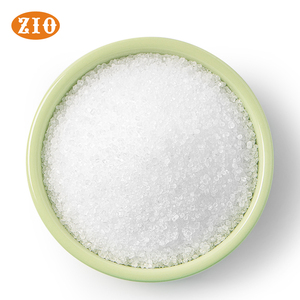
Today, top Chinese flavor and bio-preservative factories operate under advanced submerged fermentation, enzymatic transformation, and high-purity crystallization protocols. This technological elevation enables the reliable production of complex bio-molecules—such as Epsilon-PolyLysine (ε-PL) Hydrochloride, natural Citric Acid Anhydrous E330, and botanical aromatic compounds like Cinnamic Acid—that perform seamlessly within complex food matrixes.
From controlling micro-flora in high-moisture bakery items to providing thermal stability in UHT beverage processing, industrial ingredient procurement requires absolute precision. Specification matching must go beyond simple purity percentages; it requires analyzing particle size distribution (mesh), solubility kinetics, heavy metal tolerances (ICP-MS tested), and organoleptic stability under varying pH and water activity ($a_w$) environments.
| Preservative / Acidulant | Target Micro-Organisms | Optimal pH Range |
|---|---|---|
| Citric Acid Anhydrous | Heat-resistant spore formers (Enzyme inhibition) | pH 2.0 – 4.5 |
| Potassium Sorbate 99% | Molds, Yeasts, Aerobic Bacteria | pH 3.0 – 6.5 |
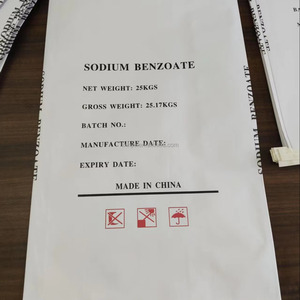
| Sodium Benzoate E211 | Yeast, Mold, Acidophilic Bacteria | pH 2.5 – 4.0 |
| ε-PolyLysine (ε-PL) | Gram-positive & Gram-negative Bacteria | pH 4.0 – 8.0 (Heat-Stable) |
| Sodium Acetate Anhydrous | Spoilage Bacteria & Rope-forming Bacilli | pH 4.5 – 6.0 |
Technical Note for Formulators: Utilizing hurdle technology by combining bio-preservatives (e.g., ε-Polylysine) with organic acidulants (Citric Acid) creates synergistic antimicrobial barriers, lowering overall active dosage while extending shelf-life by up to 180% without altering sensory characteristics.
Procurement managers, QA directors, and food scientists require an supply partner that eliminates batch variability, mitigates raw material market volatility, and provides instant documentation compliance.
We do not issue quotes based on generic trade names. Every flavor compound, acidulant, and antimicrobial agent is matched directly against your exact physical-chemical benchmarks—including bulk density, mesh particle size, moisture content, optical rotation, and assay limits—before entering production scheduling.
Regulatory holdups stall production lines. Every commercial lot leaves our facility accompanied by complete, verified paperwork: batch-specific COAs, Allergen Statements, Non-GMO declarations, SDS, Heavy Metal Breakdown, Kosher/Halal Certificates, and FSSC 22000 food safety audit compliance.
Through strategic buffer inventories, multi-site production approvals, and flexible forward contract structures, we hedge procurement desks against raw material price shocks, crop seasonality shifts, and ocean freight disruptions across European, North American, and Asia-Pacific routes.
Our in-house application specialists assist R&D teams in evaluating functional equivalents, executing clean-label substitutions (replacing artificial sorbates with natural fermentates), optimizing usage cost per metric ton, and testing thermal stability under commercial extrusion or retort conditions.
Different applications demand tailored particle sizing. Whether your plant requires ultra-fine micronized citric acid for instant dry mix beverages, dust-free non-caking sodium acetate granules, or specialized liquid fruit puree reductions, our automated processing lines execute custom blends.
Exporting to over 50 countries demands robust shipping protocols. We support FCL, LTL, temperature-controlled reefer containers, and moisture-sealed sea-freight packaging (palletized with shrink-wrap and desiccant lining) to guarantee product integrity upon arrival.
Key market forces re-shaping ingredient sourcing for food, beverage, and nutritional product manufacturers over the next decade.
Industrial procurement is shifting rapidly away from traditional synthetic chemicals like Benzoates and Sorbates toward biological preservation systems. Fermentation-derived peptides like ε-PolyLysine and Nisin are gaining dominant market share due to their high efficacy at microscopic inclusion rates (10-50 ppm) and clean consumer label perception.
Acidulants are no longer evaluated purely for pH reduction. Modern formulators demand dual-function ingredients. Non-GMO Citric Acid Anhydrous and natural fruit reductions (such as Hawthorn Puree) serve simultaneously as acidity regulators, flavor brighteners, chelating agents, and natural antioxidant stabilizers in fruit preps and functional drinks.
Global brand owners can no longer rely on single-source suppliers. Procurement strategy now requires qualifying manufacturing plants that maintain multi-jurisdictional compliance—possessing concurrent registration with US FDA (FSVP-ready), EU EFSA standards, ISO 22000, and certified Halal/Kosher bodies.
| Evaluation Parameter | Traditional Synthetics (e.g., Sodium Benzoate) | Next-Gen Bio-Preservatives (ε-PolyLysine / Organic Acids) |
|---|---|---|
| Clean Label Status | Requires chemical E-number listing; growing consumer resistance | Recognized as natural fermentate / amino acid peptide; consumer friendly |
| pH Spectrum Efficacy | Narrow efficiency range; restricted strictly to acidic environments (pH < 4.5) | Broad spectrum functionality; highly active from pH 3.0 up to pH 8.0 |
| Thermal Stability | Volatilization possible under extreme heat processing | Exceptional thermal resistance; withstands standard pasteurization & retort (121°C) |
| Organoleptic Impact | May impart astringent, metallic, or chemical off-notes at higher inclusion levels | Neutral sensory profile at recommended active dosages; zero flavor distortion |
| Regulatory Trajectory | Increasing regulatory pressure & dosage ceiling reductions in EU/US markets | Expanding GRAS approvals & favored status in organic-certified lines |
Our organic flavor profiles, organic acidulants, and food-grade bio-preservatives are optimized for specialized unit operations.
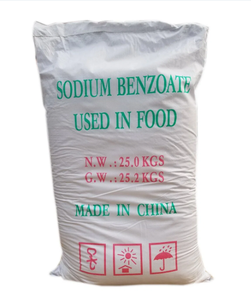
Instant dissolution Citric Acid Anhydrous and low-dust Sodium Benzoate granules prevent nozzle clogging in automated syrup dosing. Maintains clarity, prevents turbidity, and stabilizes flavor notes in carbonated soft drinks, RTD teas, and juice concentrates.
Micro-encapsulated and dust-free spherical Potassium Sorbate granules inhibit mold development in high-moisture baked goods, tortillas, and filled cakes without suppressing yeast fermentation kinetics or disrupting gluten networks.
Heat-stable ε-PolyLysine Hydrochloride protects pasteurized dairy items, processed cheese spreads, and plant-based protein analogs against spore-forming bacterial spoilage, extending refrigerated shelf life while preserving clean taste profiles.
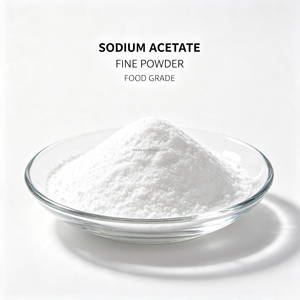
High-purity Anhydrous Sodium Acetate serves as an ideal buffering agent and acidification aid in emulsified dressings and savory sauces, preventing phase separation and controlling acid-tolerant microflora.
Synergistic combinations of natural organic salts and aromatic Cinnamic Acid derivatives inhibit Listeria monocytogenes growth, retain moisture binding, and protect color stability in cured and fresh meat preparations.
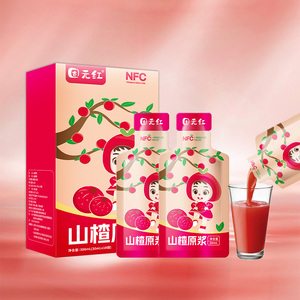
Clean-label 100% Pure Hawthorn Fruit Puree and high-Brix concentrated reductions supply natural tartness, pectin structure, and active bio-flavonoids for jam manufacturing, fruit preps, and yogurt inclusions.
Detailed technical answers to common queries raised by procurement officers, quality assurance specialists, and formulation scientists.
Request detailed technical specifications, batch Certificates of Analysis, or bench samples from our global technical sales desk.