
Direct sourcing access to high-purity feed additives, organic acidulators, micro-preservatives, and targeted phytogenic compounds. Manufactured under rigorous international standards to guarantee bio-efficacy and herd protection.
An authoritative analysis on supply chain resilience, quality assurance protocols, and global market integration for commercial feed integrators.
Over the past two decades, China has transitioned from a high-volume chemical manufacturer into a global center for high-value bio-nutritional synthesis, acidulant refining, and enzyme technology. As feed mills and commercial livestock integrators navigate volatile global commodity prices, strict regulatory frameworks, and shifting consumer expectations regarding antibiotic-free production, Chinese exporters represent the primary operational hub for cost-competitive, specification-compliant feed inputs.
The advantage of sourcing feed additives from premier Chinese exporters rests upon complete upstream integration. Key baseline raw materials—including corn starch for organic acid fermentation (such as Citric Acid and L-Lysine) and chemical precursors for aromatic preservers like Sodium Benzoate and Cinnamic Acid—are integrated directly with large-scale processing infrastructure. This integration shields global feed producers from fragmented supply chain disruptions, delivering consistent lot-to-lot bio-availability and exact particle size distribution tailored for high-speed industrial feed mills.
Every lot is delivered with comprehensive compliance documentation including FAMI-QS, ISO 22000, HACCP, GMP+, Kosher, and Halal verifications, eliminating regulatory holdups at arrival ports.
Utilizing high-performance liquid chromatography (HPLC) and gas chromatography-mass spectrometry (GC-MS) to verify organic acid purity, active molecule density, and heavy metal bounds.
Structured export programs utilizing customized packaging—from 25kg moisture-proof poly-lined bags to 1,000kg bulk totes—optimized for containerized ocean freight and just-in-time delivery.
In-depth technical analysis of molecular mechanisms driving the transition toward next-generation non-antibiotic feed additives.
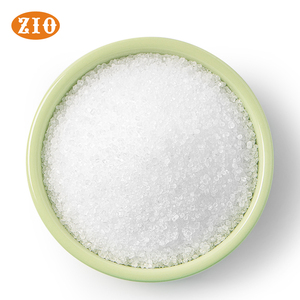
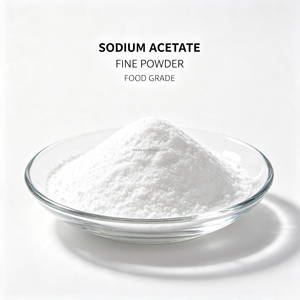
The dietary integration of organic acidulators such as Citric Acid Anhydrous (E330) and Sodium Acetate Powder (CAS 127-09-3) extends beyond simple pH reduction within raw ingredients. In swine and poultry diets, these short-chain fatty acids (SCFAs) decrease gastric pH, triggering pepsinogen conversion into active pepsin. This process optimizes protein enzymatic breakdown while suppressing pathogenic Gram-negative bacteria such as Salmonella enterica and Escherichia coli.
Un-dissociated organic acid molecules penetrate the lipophilic cell walls of susceptible microorganisms. Once inside the neutral intracellular cytoplasm, the acid dissociates, releasing hydrogen ions (H+), dropping internal cellular pH, and forcing the bacterium to expend cellular ATP to restore homeostasis, resulting in cell death.
| Additive Category | Primary Active Agents | Target Mechanism in Feed & Gut | Key Production Benefit |
|---|---|---|---|
| Organic Acidulants | Citric Acid, Sodium Acetate | Lowers gastric pH, chelates mineral ions, stimulates digestive enzymes. | Enhanced FCR & protein digestibility. |
| Preservatives & Mold Inhibitors | Sodium Benzoate, Potassium Sorbate | Disrupts cellular membrane potential and respiratory enzymes in fungi. | Prevents mycotoxin buildup during storage. |
| Phytogenic Compounds | Cinnamic Acid, Hawthorn Extracts | Quorum sensing inhibition, mucosal barrier strengthening, antioxidant activity. | Replaces prophylactic antibiotics safely. |
| Bio-Peptides | Epsilon-PolyLysine HCl (EPL) | Cationic binding to bacterial membranes creating lethal pore formation. | Clean-label target antimicrobial control. |
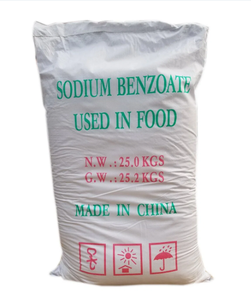
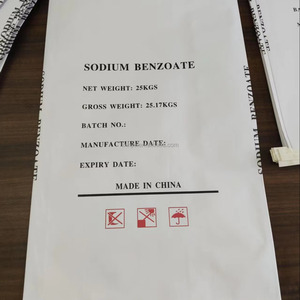
With global grain supplies subject to weather variations, environmental humidity, and extended storage timelines, feed preservation technology has moved beyond basic mold prevention. Modern formulations combine Sodium Benzoate and Potassium Sorbate to establish multi-phase protective barriers.
These agents act synergistically across varying pH spectrums. Potassium Sorbate inhibits mold and spore germination in raw grain storage, while Sodium Benzoate halts yeast proliferation in liquid feeding systems. Containing microbial growth prevents lipid peroxidation, preserves natural vitamins, and eliminates the metabolic formation of liver-toxic mycotoxins like Aflatoxin B1 and Deoxynivalenol (DON).
As regulatory mandates across the EU, North America, and Asia tighten restrictions on Antibiotic Growth Promoters (AGPs), the feed additive industry is adopting bioactive phytogenic compounds and natural antimicrobial peptides.
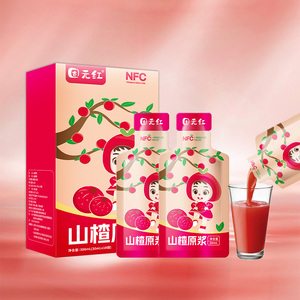
Cinnamic Acid (CAS 140-10-3) and concentrated plant extracts like Hawthorn Fruit Puree present high concentrations of phenylpropanoid compounds. These natural molecules down-regulate bacterial virulence gene expression without inducing microbial resistance. Simultaneously, bio-fermented peptides such as Epsilon-PolyLysine (EPL) Hydrochloride deliver precise cationic binding to bacterial cell membranes, offering a natural bio-preservative strategy for vulnerable nursery feeds, milk replacers, and aquaculture feeds.
How forward-thinking procurement teams manage price volatility, regulatory shifts, and supply continuity.
Single-component procurement is rapidly transitioning toward customized, multi-component acidulant matrices. Feed manufacturers are requesting pre-blended, micro-encapsulated combinations of short-chain and medium-chain fatty acids (SCFAs and MCFAs) with phytogenic compounds like Cinnamic Acid.
Micro-encapsulation ensures that volatile acids pass through the acidic stomach environment intact, delivering target release in the distal ileum and cecum. Chinese exporters with specialized spray-drying and fluid-bed coating capacity are becoming essential strategic partners for international buyers.
Global livestock enterprises are enforcing strict Environmental, Social, and Governance (ESG) standards throughout their supply chains. Importers now require transparent lifecycle assessments (LCA) for synthetic and bio-fermented feed additives.
Top Chinese manufacturers are investing heavily in solar-assisted manufacturing, closed-loop waste heat recovery, and bio-based fermentation inputs to lower the embedded carbon footprint per ton of exported Citric Acid, Sodium Acetate, and Amino Acids.
Direct answers to critical regulatory, logistical, and technical queries from international feed mill procurement desks.
Request technical specifications, sample kits, or real-time FOB/CIF pricing for your manufacturing requirements.