
Premium Grade Distillers Yeast Auxiliaries, Acidulants, and High-Purity Antimicrobial Preservatives for Commercial Distilleries and Food Manufacturing Lines.
Combining world-class bio-strain engineering, robust supply chain resilience, and rigorous regulatory compliance for global industrial buyers.
Every strain of active dry yeast and bio-preservative chemical is matched precisely to your target alcohol yield, organic acid tolerance, mesh size, and fermentation temperature envelope before order confirmation.
All shipments are issued with batch-specific Certificates of Analysis (COA), ISO22000, HACCP, Kosher, and Halal documentation, ensuring complete peace of mind for QA compliance audits.
Leveraging multi-port warehousing networks and real-time inventory staging, we deliver reliable container-load and LTL shipments to minimize factory downtime and optimize working capital.
A Comprehensive Technical Guide on High-Gravity Distilling Yeast Performance, Enzyme Synergies, and Contamination Mitigation Systems.
In modern commercial ethanol manufacturing—spanning grain spirits (whiskey, vodka, gin), fuel ethanol, and neutral sugar cane distillates—the biological engine of the facility is the yeast strain. Selecting an elite industrial Saccharomyces cerevisiae strain requires evaluating specific physiological criteria that directly dictate plant profitability: substrate conversion efficiency, osmotic stress resilience, thermal tolerance, and congener formation profiles.
During Very High Gravity (VHG) fermentation, sugar concentrations often exceed 28–32% dissolved solids (Brix). This hyper-osmotic environment exerts massive osmotic pressure across the fungal cell membrane, threatening cell lysis and premature fermentation arrest. Leading Chinese distillers yeast formulations engineered for export are selected via advanced mutagenesis and adaptive laboratory evolution (ALE). These robust strains synthesize intracellular trehalose and glycerol as osmoprotectants, maintaining cell wall integrity and enzymatic activity up to 18–22% v/v ethanol titers.
Key Operational Insight: Utilizing thermo-tolerant distillers yeast capable of efficient conversion at 38°C–42°C reduces chilling water energy consumption by up to 24% in tropical and summer production environments while suppressing wild bacterial blooms.
For pot-still and column-still artisanal distillers, ethanol yield is only half the equation; aromatic esters, higher alcohols (fusel oils), and volatile organic compounds dictate organoleptic quality. Yeast strain selection directly influences the synthesis of ethyl acetate (fruity, sweet), isoamyl acetate (banana notes), ethyl hexanoate (apple/green floral), and phenylethyl alcohol (rose/honey).
By controlling Free Amino Nitrogen (FAN) levels in the mash substrate through strategic nutrient additions (such as diammonium phosphate and specialized yeast autolysates) and selecting dedicated rum, grain, or fruit yeast strains, master distillers can precisely tune the secondary metabolic pathways of the yeast to produce distinct organoleptic profiles.
Below is a comparative breakdown of standard commercial yeast strains exported for global industrial spirit and bio-ethanol processing:
| Yeast Strain Variant | Target Substrates | Ethanol Tolerance (% v/v) | Optimal Temp Range (°C) | Primary Congener / Esters Produced |
|---|---|---|---|---|
| High-Gravity Grain Yeast (HG-01) | Corn, Wheat, Barley, Rye Mash | 18.0% - 22.0% | 28°C - 36°C | Balanced Ethyl Esters, Low Isoamyl Alcohol |
| Thermotolerant Fuel Yeast (TT-04) | Cassava, Starch Slurry, Molasses | 14.0% - 16.5% | 34°C - 42°C | Clean Neutral Profile, Minimal Secondary Congeners |
| Heavy Rum Molasses Strain (RM-09) | Sugarcane Molasses, Cane Juice | 12.0% - 15.0% | 26°C - 33°C | High Ethyl Acetate, Heavy Higher Alcohols |
| Fruit & Brandy Specialty Yeast (FB-02) | Grape Must, Apple, Berry Puree | 13.5% - 16.0% | 18°C - 28°C | Enhanced Terpenes, Isoamyl Acetate, Fine Floral Esters |
Lactic Acid Bacteria (LAB), such as Lactobacillus and Pediococcus, represent the primary biosecurity threat in industrial wash tanks. These bacteria compete directly with yeast for sugars and nitrogen, producing lactic and acetic acids that inhibit yeast metabolism and lower ethanol yields. To prevent bacterial takeover without relying on antibiotics (which face increasing regulatory bans globally due to antibiotic resistance concerns), modern distilleries utilize integrated organic acidulant and preservative systems.
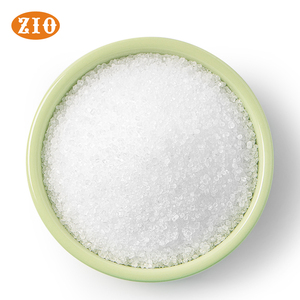
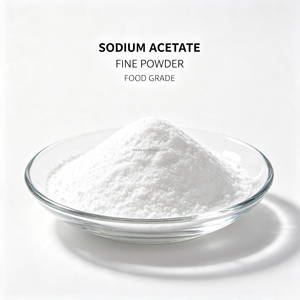
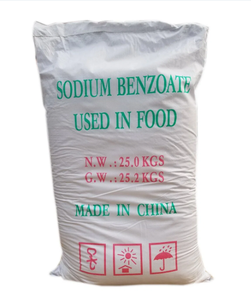
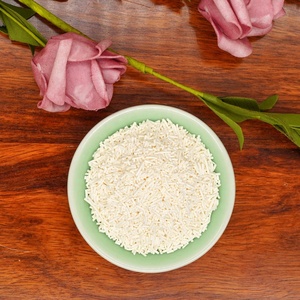
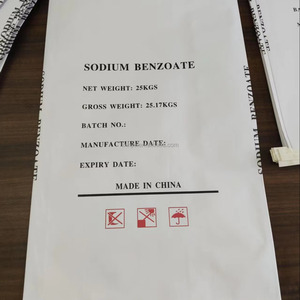
Incorporating high-purity food-grade additives such as Sodium Benzoate (E211), Potassium Sorbate, Citric Acid Anhydrous (E330), and natural antimicrobials like Epsilon-PolyLysine (EPL) into mash washing routines or liquid ingredient formulations guarantees prolonged microbial stability and high-gravity output.
Contact our senior bioprocess engineering team today to receive detailed technical datasheets, fermentation kinetics charts, and customized bulk pricing.
Get CatalogHow Modern Distilleries and Food Manufacturers Are Adapting to Changing Global Supply Chains and Regulatory Frameworks.
Global regulatory agencies (FDA, EFSA, SAMR) are enforcing zero-residue limits on virginiamycin and penicillin in distiller grains (DDGS) fed to livestock. Procurement teams are rapidly replacing legacy antibiotics with food-grade antimicrobials like Epsilon-PolyLysine (EPL), Potassium Sorbate, and organic acid buffer mixtures.
Procurement strategies are shifting from purchasing isolated active dry yeast to acquiring "All-In-One" bio-complexes that combine glucoamylase, alpha-amylase, phytase, and protected yeast strains. This reduces dosing errors and simplifies raw material inventory control.
Energy price volatility is driving demand for ultra-thermotolerant yeast strains that operate efficiently above 38°C. By running warmer fermentations, facility operators slash cooling tower water pumping requirements and achieve significant carbon footprint reductions.
Geopolitical shifts and shipping lane bottlenecks have made single-source procurement risky. Global buyers are establishing multi-origin supply partnerships with top Chinese manufacturing conglomerates offering guaranteed safety stocks and multi-hub fulfillment.
Expert Technical & Commercial Guidance for Global Procurement Officers and Master Distillers.
Under vacuum-sealed, cool dry storage conditions (below 20°C / 68°F), our active dry yeast retains maximum cell viability for up to 24 months. Once opened, bags should be resealed and used within 5 days to prevent moisture rehydration and viability loss.
Sodium Benzoate and Potassium Sorbate are potent fungal and bacterial inhibitors. They should never be dosed directly during active yeast propagation or primary ethanol fermentation. However, they are vital for post-fermentation beverage stabilization, flavor syrup preservation, and non-alcoholic mash wash routines.
Yes. Our thermotolerant fuel and industrial ethanol strains (such as TT-04) are specifically adapted for cassava, sweet potato, and corn starch slurries. They work seamlessly alongside liquefying and saccharifying amylase enzymes.
Every commercial export order includes a full audit pack: Bill of Lading, Commercial Invoice, Packing List, Batch-Specific Certificate of Analysis (COA), Country of Origin Certificate, Allergen Statement, GMO-Free Statement, and Kosher/Halal certifications.
Epsilon-PolyLysine (EPL) is a naturally fermented homopolymer of L-lysine that offers exceptional heat stability and broad-spectrum activity against Gram-positive/Gram-negative bacteria and yeasts. Unlike synthetic preservatives, EPL is clean-label friendly and effective across a broad pH range (3.0 to 9.0).
Yes, we provide 500g to 1kg sample packs of active distillers yeast strains and 250g laboratory samples of our organic preservatives (Citric Acid, Sodium Benzoate, Cinnamic Acid, EPL) complete with COAs for qualified commercial buyers.
For mashes with 20–25% original gravity, recommended pitching rates range between 0.2g and 0.5g of active dry yeast per liter of wash (200–500 ppm), achieving an initial cell count of ~10–15 million viable cells per milliliter.
Citric Acid Anhydrous contains zero water of crystallization, making it ideal for dry powder premixes, effervescent tablets, and moisture-sensitive yeast nutrient formulations where caking and clumping must be avoided.
Get in touch with China's premier distillers yeast and food preservatives manufacturer. Request product specifications, pricing, and freight schedules instantly.
Get Catalog