Leading the Food Ingredient Supply Chain  |  2,500+ Ingredients · 48 States

China Top Ascorbic Acid Manufacturer & Factory

Industrial-Grade & Food-Grade Vitamin C (CAS 50-81-7) Sourcing Whitepaper: Bio-Fermentation Innovations, Regulatory Compliance, & Global Supply Resiliency

Enterprise Product Catalog

Featured Preservative & Antioxidant Portfolio

Direct from premier Chinese manufacturing facilities: High-purity L-Ascorbic Acid, acidulants, and advanced natural & synthetic preservation systems manufactured under rigorous FSSC 22000, ISO, Kosher, and Halal standards.
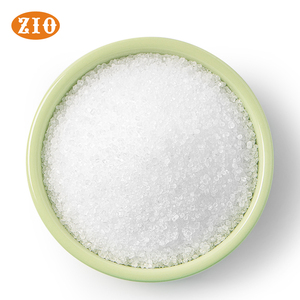
Natural Preservative Citric Acid Anhydrous E330 for Food Beverage

Natural Preservative Citric Acid Anhydrous E330 for Food Beverage

CAS No: 77-92-9 | Grade: Food Grade E330 Purity: ≥99.5% | Application: Acidulant & Antioxidant
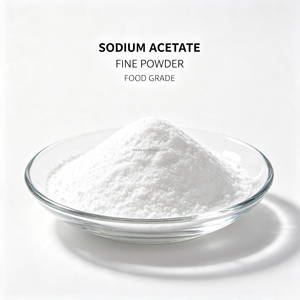
High Purity 99% Anhydrous Sodium Acetate Food Grade Powder Preservative

High Purity 99% Anhydrous Sodium Acetate Food Grade Powder

CAS No: 127-09-3 | Grade: Food/Pharma Grade Purity: ≥99.0% | Function: pH Buffer & Shelf-Life Extender
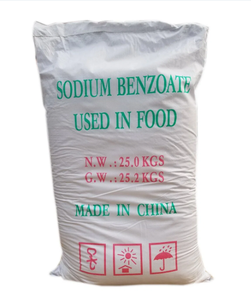
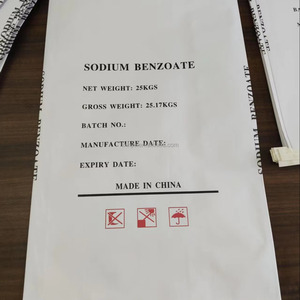
Sodium Benzoate Preservatives Powder Food Grade 25kg Drum

Sodium Benzoate Preservatives Powder Food Grade 25kg Drum

CAS No: 532-32-1 | Shelf Life: 2 Years Certifications: ISO, HACCP, Kosher, Halal Certified
Food Grade Potassium Sorbate 99% Granules Preservative For Bakery Cheese

Food Grade Potassium Sorbate 99% Granules Preservative

CAS No: 24634-61-5 | Format: Spherical Granules Target Use: Bakery, Dairy & Beverage Preservation
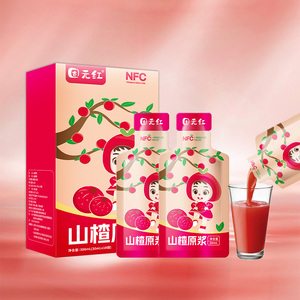
100% Natural Pure Hawthorn Fruit Puree Preservatives in Bottle

100% Natural Pure Hawthorn Fruit Puree Botanical Preservative

Source: Botanical Extract | Packaging: 30mL*10 Bags Certification: HACCP & ISO Certified Clean Label
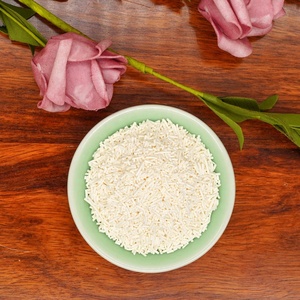
Food Grade Sodium Benzoate Preservative E211 CAS 532-32-1 High Purity White Granule

Food Grade Sodium Benzoate Preservative E211 White Granules

CAS No: 532-32-1 | E-Number: E211 Purity: ≥99.5% | Packaging: 25kg Multi-Wall Bag
Wholesale Price Preservative & Antioxidants Cinnamic Acid Powder CAS140-10-3

High Purity Cinnamic Acid Powder Antioxidant & Antimicrobial

CAS No: 140-10-3 | Appearance: Fine White Powder Grade: Industrial & Food Grade Sourcing
Natural Food Preservative 95% Epsilon-PolyLysine Hydrochloride

Natural Bio-Preservative 95% Epsilon-PolyLysine (EPL) HCl

Assay: 95% Active EPL | Source: Bio-Fermentation Benefit: Broad Spectrum Antimicrobial & Clean Label
Direct Manufacturing Excellence

Leading China's Bio-Fermentation & Industrial Acidulant Supply Chain

As China's premier Ascorbic Acid (Vitamin C, CAS 50-81-7) manufacturer and global distribution partner, our industrial ecosystem anchors the global supply of essential antioxidants, acidulants, and bio-preservatives. China currently supplies over 80% of the world’s L-ascorbic acid capacity. Operating state-of-the-art bioprocessing plants equipped with two-stage submerged microbial fermentation technologies, we provide global food, beverage, pharmaceutical, and animal nutrition manufacturers with unmatched continuity, rigorous quality control, and scale economies.

Our integrated supply network bridges high-capacity synthetic and fermentative manufacturing with sophisticated North American and European logistics infrastructure. By maintaining over 2,500 inventory line items across strategically positioned global warehouses, we eliminate supply vulnerability for industrial procurement desks.

Specification-First Sourcing Architecture

Every shipment of Ascorbic Acid, Citric Acid, or Sodium Benzoate is pre-matched to customer-defined particle sizes (from 40-mesh coarse granules to 200-mesh micronized powder), heavy metal limits, assay purities, and moisture criteria prior to dispatch.
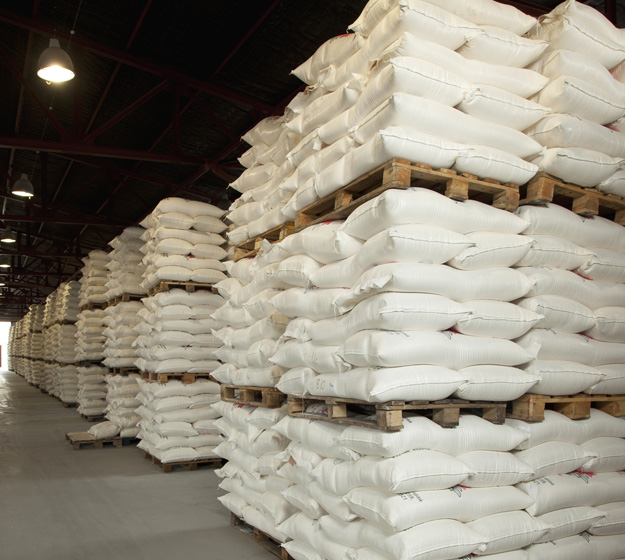
China Top Ascorbic Acid Manufacturing Plant and Logistics Warehouse
150,000+
Metric Tons Annual Output
99.5% - 100.5%
USP / FCC / BP Assay Purity
120+
Export Nations Served
100%
Lot-Traceable Documentation
Technical Whitepaper Insights

Chemical Specifications & Quality Parameters

Standardization of L-Ascorbic Acid (E300) and complementary food preservative compounds under USP43 / FCC XII / EP10 standards.

Chemical Identity CAS Number Assay Benchmark Melting Range / Melting Point Heavy Metals (Lead / Arsenic) Primary Industrial Application
L-Ascorbic Acid (Vitamin C) 50-81-7 99.0% – 100.5% 190°C – 192°C (Decomposition) Pb ≤ 2 ppm | As ≤ 3 ppm Dough improver, antioxidant, beverage clarification, nutritional fortification
Citric Acid Anhydrous (E330) 77-92-9 99.5% – 100.5% 153°C Pb ≤ 0.5 ppm | As ≤ 1 ppm Acidulant, flavor enhancement, chelating agent, buffer solution
Potassium Sorbate (E202) 24634-61-5 99.0% – 101.0% 270°C (Decomposition) Pb ≤ 2 ppm | As ≤ 3 ppm Fungal & yeast inhibitor in high-moisture bakery and dairy products
Sodium Benzoate (E211) 532-32-1 99.0% – 100.5% > 300°C Pb ≤ 2 ppm | Heavy Metals ≤ 10 ppm Antimicrobial preservation in acidic beverages (pH < 4.5), sauces, and dressings
Epsilon-PolyLysine HCl 28211-04-3 ≥ 95.0% (Dry Basis) 172°C – 178°C Pb ≤ 1 ppm | Heavy Metals ≤ 5 ppm Clean-label natural bio-preservative for meat, rice products, and seafood
Strategic Sourcing Intelligence

Future Procurement Trends in Ascorbic Acid (2025–2030)

Key structural shifts altering global procurement strategies, pricing dynamics, and supply security for industrial food and pharma buyers.

1. Raw Material & Energy Feedstock Volatility

L-Ascorbic Acid production relies heavily on D-Glucose derived from corn starch, which undergoes catalytic hydrogenation to D-Sorbitol followed by two-stage bio-fermentation. Global fluctuations in agricultural corn yields, coupled with industrial energy tariffs, make forward-contracting and index-linked procurement critical for large-volume buyers seeking pricing stability.

2. Green Chemistry & Decarbonized Fermentation

Leading Chinese chemical facilities are transitioning toward continuous enzymatic transformation and zero-carbon energy grids. European and North American buyers are increasingly enforcing Scope 3 greenhouse gas auditing, prioritizing Ascorbic Acid manufacturers that offer certified low-carbon footprints and sustainable wastewater recovery profiles.

3. Regulatory Traceability & FSMA 204 Readiness

With heightened global regulatory mandates, industrial buyers can no longer rely on unverified intermediary traders. Regulatory compliance now demands full Key Data Element (KDE) tracking from the primary Chinese bioprocessing reactor to the final compounding line, backed by automated Certificate of Analysis (COA) verification.

4. Synthetic Antioxidant Replacement

Global consumer demand for clean-label formulation is driving the replacement of synthetic antioxidants such as BHA (Butylated Hydroxyanisole), BHT, and Metabisulfites. Ascorbic Acid (E300), Ascorbyl Palmitate, and natural botanical extracts (e.g., Hawthorn polyphenol complexes) are experiencing double-digit procurement growth.

5. Multi-Hub Buffer Stocking Strategy

To guard against maritime shipping bottlenecks and port congestion, enterprise buyers are establishing multi-hub distribution programs. Procurement models now blend direct ocean-freight FCL (Full Container Loads) from China with localized LTL (Less-than-Truckload) replenishment from regional distribution centers.

6. Microencapsulation & Specialized Particle Gradients

Standard fine powders often suffer from early oxidation or thermal degradation during aggressive thermal processing. The industry is rapidly adopting fat-encapsulated L-Ascorbic Acid and custom-mesh coarse granules that deliver targeted release in bakery doughs and shelf-stable nutraceuticals.

Advanced Fermentation Research & Product Development
R&D & Formulation Innovation

Technological Horizons in Ascorbic Acid Processing

Modern food science demands that functional ingredients perform under challenging thermal, shear, and chemical environments. Our research and development teams focus on advancing the structural stability and functional efficiency of L-Ascorbic Acid across three core technological domains:

  • Two-Stage Fermentation Optimization: Utilizing genetically refined Gluconobacter oxidans and Ketogulonicigenium vulgare bacterial strains to maximize conversion yields from D-Sorbitol to 2-Keto-L-gulonic acid (2-KGA), drastically reducing solvent utilization and byproduct impurities.
  • Fat-Soluble Ester Derivatives (Ascorbyl Palmitate): Synthesizing L-ascorbic acid with palmitic acid to yield amphiphilic antioxidants capable of protecting lipid-heavy matrices, high-fat dairy, and edible oils against oxidative rancidity.
  • Synergistic Bio-Preservative Matrices: Blending sub-micron L-Ascorbic Acid with natural bio-polymers such as Epsilon-PolyLysine (EPL) and Citric Acid to create broad-spectrum, clean-label antimicrobial barriers that replace synthetic sorbates and benzoates.
Request Technical Dossier & R&D Samples
Industrial Application Engineering

Ascorbic Acid Performance Across Processing Sector Lines

Formulation guidelines, functional dosage parameters, and chemical mechanisms for industrial manufacturing applications.

Industrial Bakery & Flour Milling

Function: Dough Conditioner & Gluten Fortifier

L-Ascorbic acid acts as a fast-acting oxidizing agent in bread dough. In the presence of endogenous enzymes (ascorbate oxidase), it oxidizes to dehydroascorbic acid, converting free sulfhydryl (-SH) groups on gluten proteins into strong disulfide (-S-S-) bonds. This increases gluten elasticity, gas retention, and loaf volume. Typical dosage ranges from 20 to 100 ppm based on flour weight.

Beverage & Juice Processing

Function: Dissolved Oxygen Scavenger & Color Stabilizer

In thermal beverage filling and juice clarification, dissolved oxygen rapidly degrades sensitive polyphenols and artificial/natural pigments. Ascorbic Acid aggressively scavenges free oxygen, preventing enzymatic browning (polyphenol oxidase inhibition) and off-flavor synthesis. Recommended dosage: 50 to 150 mg/L in fruit juices, carbonated soft drinks, and ready-to-drink teas.

Cured Meat & Sausage Production

Function: Curing Accelerator & Nitrosamine Blocker

Ascorbic acid and its isomer Erythorbic Acid accelerate the reduction of nitrite to nitric oxide, which reacts with myoglobin to form stable nitric oxide myoglobin (pink curing pigment). Crucially, Ascorbic Acid inhibits the chemical synthesis of carcinogenic N-nitrosamines in high-temperature fried meats. Standard regulatory usage is capped at 500 mg/kg (0.05%).

Why Manufacturers Partner With Us

Integrated Factory-Direct Supply & Governance

Audit-Ready Documentation

We eliminate supply chain paperwork bottlenecks. Every shipment includes comprehensive Certificate of Analysis (COA), Allergen Statements, Nutritional Breakdown, Heavy Metal Testing, Non-GMO Documentation, BSE/TSE Statements, and Kosher/Halal certifications.

Rigorous Batch Consistency

Our automated crystallization and milling circuits ensure tight physical particle size distributions. Whether ordering fine 100-mesh powder or 40-80 mesh granular crystals, lot-to-lot variance is strictly maintained within ±0.5% tolerances.

Direct Ocean & Warehouse Supply

Combine bulk ocean shipping from China’s leading manufacturing ports (Qingdao, Shanghai, Tianjin) with local buffer stock warehousing. Enjoy predictable lead times, forward position contracts, and resilient spot load coverage.

Procurement & Technical FAQ

Frequently Asked Questions for Ascorbic Acid Procurement

Authoritative answers to technical, regulatory, and logistics queries from enterprise buyers and R&D formulators.

What is the difference between L-Ascorbic Acid, Sodium Ascorbate, and Erythorbic Acid?
L-Ascorbic Acid (CAS 50-81-7) is the pure acidic form of Vitamin C (E300), offering dual functionality as a strong reducing agent/antioxidant and nutritional fortification source. Sodium Ascorbate (CAS 134-03-2) is the buffered sodium salt of ascorbic acid; it is preferred in applications where adding acidity would alter product pH or curdle dairy proteins. Erythorbic Acid (CAS 89-65-6) is a stereoisomer of ascorbic acid; while it possesses equivalent antioxidant capabilities in meat curing and beverage preservation, it delivers only 5% of the biological Vitamin C activity, making it a cost-effective alternative purely for antioxidant applications.
What certifications and quality standards do your Chinese manufacturing facilities hold?
Our manufacturing infrastructure is fully certified under international quality and food safety schemes, including ISO 9001, ISO 22000, FSSC 22000, GMP, HACCP, Kosher (Pareve/Passover), and Halal. Furthermore, all L-Ascorbic Acid batches fully comply with USP (United States Pharmacopeia), FCC (Food Chemicals Codex), BP (British Pharmacopoeia), and EP (European Pharmacopoeia) monograph standards.
How do you prevent yellowing discoloration and moisture caking during transit?
Ascorbic Acid is prone to oxidative yellowing when exposed to atmospheric oxygen, high humidity, or temperatures above 30°C. We mitigate this by utilizing heavy-duty, multi-layer polyethylene inner liners vacuum-sealed inside 25kg fiber drums or 25kg multi-wall kraft paper bags. Desiccant packs and container-level humidity control are deployed for long-haul transoceanic shipments to guarantee pristine white crystalline quality upon arrival.
What are the standard packaging options and Minimum Order Quantities (MOQ)?
Standard packaging includes 25kg cartons, 25kg fiber drums, and 25kg kraft paper bags with PE liners. For large-scale industrial processors, 500kg and 1,000kg FIBC jumbo bags are available. Our standard export MOQ starts at 1 Metric Ton (40 x 25kg bags) for direct factory shipments, while localized warehouse stock can be ordered in single-pallet quantities (1,000 kg).
Can Ascorbic Acid be combined with Citric Acid or Potassium Sorbate in custom formulations?
Yes. Ascorbic Acid works synergistically with organic acidulants such as Citric Acid (E330) and antimicrobial preservatives like Potassium Sorbate (E202) or Sodium Benzoate (E211). Citric Acid lowers the matrix pH and chelates trace pro-oxidant metal ions (such as Cu2+ and Fe3+), which dramatically extends the antioxidant half-life of Ascorbic Acid in liquid formulations.
What is the shelf life and storage protocol for bulk Ascorbic Acid powder?
When stored in its original, unopened packaging in a cool, dry, well-ventilated warehouse below 25°C (77°F) away from direct sunlight and strong oxidizing agents, L-Ascorbic Acid maintains a certified shelf life of 36 months from the date of manufacture.
How do you manage price risk and contract supply for large-volume industrial buyers?
We offer flexible procurement frameworks, including fixed 3-to-12-month forward contracts, quarterly volume indexing, and buffer stock holding programs. By hedging raw material corn starch inputs and maintaining multi-factory production capabilities in China, we protect buyers from unexpected spot market spikes.
How can we request bench samples, COAs, and factory audit access?
Sample requests can be submitted directly through our live inquiry portal. We provide 250g to 1kg bench testing samples delivered via express air courier along with lot-specific COAs. Factory audit requests, SMETA social compliance reports, and full regulatory dossier packs are available for qualified enterprise procurement teams.
Direct Factory Sourcing Access

Lock In Contracted Ascorbic Acid Supply Today

Connect directly with China’s leading Ascorbic Acid manufacturing desk. Request custom mesh sizes, volume pricing, updated market reports, and full audit-ready specification packages.

Inquire Now