
High-purity strain isolates, bio-preservatives, and organic acidulants tailored for industrial breweries, beverage distillers, and food processing lines.
Modern commercial brewing is an exact biochemical science requiring absolute micro-biological stability, precise attenuation kinetics, and consistent strain performance. As premier China best brewing yeast factories & exporters, modern manufacturing complexes in China have evolved from basic biomass producers into sophisticated biotechnology centers capable of supplying pure strain cultures of Saccharomyces cerevisiae and Saccharomyces pastorianus for global distribution.
The global brewing landscape demands active dry yeast (ADY) formulations that combine fast rehydration protocols, high alcohol tolerance, low diacetyl accumulation, and consistent flocculation dynamics. By leveraging deep substrate cultivation technology and advanced fluidized-bed drying processes, leading Chinese producers ensure cell viability levels exceeding 1×10¹⁰ CFU/g while restricting trehalose degradation during shelf storage.
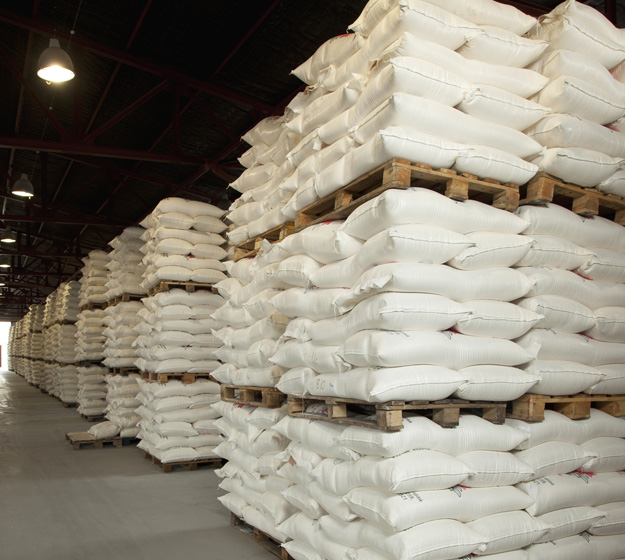
Procurement officers and master brewers evaluating Chinese manufacturing partners must inspect core microbiological standards: Genetic purity via PCR strain verification, moisture content maintained strictly under 6.0%, bacterial contamination counts below 10 CFU/g, and wild yeast contamination under 1 in 10⁶ cells. These technical metrics safeguard batch flavor consistency, prevent off-flavor ester spikes (such as isoamyl acetate or ethyl hexanoate imbalance), and minimize re-pitching risks.
The table below summarizes typical technical benchmarks maintained by certified export facilities across China for commercial Ale, Lager, and Distilling active dry yeast isolates:
| Yeast Strain Category | Apparent Attenuation | Alcohol Tolerance (% ABV) | Flocculation Rating | Optimal Temp Range (°C) | Key Flavor Profile Impact |
|---|---|---|---|---|---|
| Premium Lager Strain (S. pastorianus) | 80% – 85% | 9.5% – 11.0% | High / Rapid | 9°C – 15°C | Clean, crisp malt character; low diacetyl & zero sulfur off-notes. |
| Universal Ale Strain (S. cerevisiae) | 75% – 82% | 11.0% – 14.0% | Medium to High | 15°C – 24°C | Balanced fruity esters; fast primary fermentation kinetics (48-72h). |
| High-Gravity Distilling Yeast | 88% – 94% | 16.0% – 18.5% | Low / Medium | 25°C – 35°C | Maximum ethanol conversion yield; heat-resistant enzyme system. |
| Specialty Wheat / Saison Yeast | 77% – 84% | 10.0% – 12.0% | Low (Cloudy Suspension) | 18°C – 28°C | Rich phenolic clove notes & banana ester balance. |
Integrating microbial preservatives like Epsilon-PolyLysine (EPL) and Potassium Sorbate alongside active dry yeast strains prevents premature secondary fermentation in unpasteurized or low-alcohol craft beers, protecting product shelf integrity across distribution lines.
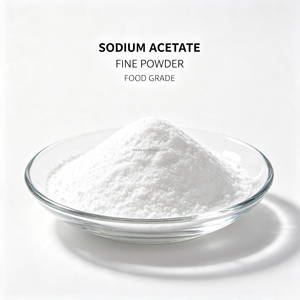
High-purity Citric Acid Anhydrous E330 and Sodium Acetate serve critical roles in establishing ideal mash pH (5.2–5.6), optimizing enzymatic saccharification in the tun and regulating yeast metabolic pathways for efficient attenuation.
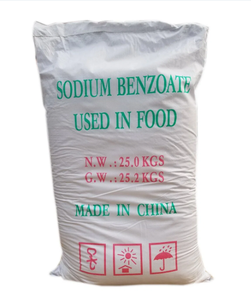
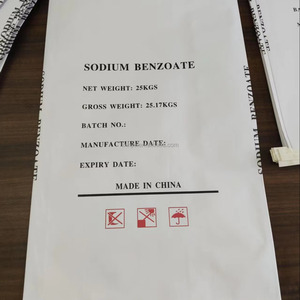
Utilizing clean-grade preservatives such as Sodium Benzoate (E211) and Cinnamic Acid offers robust inhibition against spoilage yeasts (e.g., Dekkera / Brettanomyces) in non-alcoholic beers and fruit-flavored hybrid malt beverages.
How macro-economic shifts, clean-label mandates, and bio-engineering advancements are redefining Chinese manufacturing & global export channels.
Commercial breweries worldwide are rapidly phasing out liquid yeast propagate systems in favor of Active Dry Yeast (ADY). ADY reduces international freight overhead by over 70%, eliminates the risk of liquid culture mutations during transport, and extends shelf life to 24+ months under cold storage (4°C–8°C).
Consumer preferences for "Clean Label" beverages have forced procurement teams to shift away from synthetic chemical preservatives toward bio-fermented inhibitors. Natural antimicrobials like Epsilon-PolyLysine (EPL) and natural plant-derived organic acids are experiencing 14.5% compound annual growth (CAGR) in beverage preservation.
With global energy costs impacting thermal conditioning in fermenters, breweries are sourcing thermotolerant yeast strains capable of operating at elevated temperatures (up to 32°C) without synthesizing excessive fusel alcohols. Chinese state-of-the-art strain selection labs lead this sector.
Global beverage conglomerates require end-to-end supply chain transparency. Top Chinese exporters provide automated lot tracking, batch-specific Certificates of Analysis (COA), heavy-metal safety audits, and full compliance with FSMA, EU Food Safety Standards, Kosher, and Halal protocols.
Our brewing yeast strains, bio-preservatives, and functional ingredients integrate seamlessly across diverse processing applications.






Procurement stability relies on operational predictability. We bridge the gap between Chinese industrial production capacity and international manufacturing standards. Every metric ton of yeast and food ingredient undergoes multi-stage quality gates before vessel departure.
Essential technical and commercial insights for international procurement officers and brewmasters importing from China.
Whether you require standard Ale and Lager isolates, specialty distilling yeasts, or natural beverage bio-preservation systems, our technical team is ready to support your formulation and supply chain requirements.