
Verified ISO, HACCP, Kosher, Halal, and CE-compliant food ingredients engineered for industrial baking, confection, sauces, and functional food processing.
An authoritative breakdown of heat-treatment microbiology, spray-drying thermodynamics, and lecithin phospholipid optimization for global food production.
Executive Summary for Procurement Directors & R&D Formulation Chemists:
In modern industrial food manufacturing, dried egg yolk powder serves as both a primary lipid-protein matrix and a natural emulsification engine. However, securing supply partners that meet strict European Union Conformité Européenne (CE) sanitary frameworks, FSMA mandates, and precise functional specifications requires deep scrutiny of processing technologies. This technical blueprint outlines the exact biochemical and engineering standards required to produce high-grade spray-dried egg yolk powder, detailing how heat-stability, enzymatic modification, and micro-particle homogeneity impact high-shear mayonnaise production, commercial bakery crumb architecture, and shelf-life extension.
Production begins with stringent biosecurity protocols at certified hen farms. Fresh shell eggs undergo automated acoustic micro-crack detection, ultraviolet sterilization, and mechanical breaking. Yolks are separated with maximum precision to guarantee white-protein contamination remains under 50 ppm, maintaining pure phospholipid density (minimum 56% total lipids, 30% protein).
To satisfy CE certification and European Regulation (EC) No 853/2004, liquid yolk undergoes multi-stage pasteurization. Controlled holding tubes subject liquid yolk to 60.0°C–63.5°C for 3.5 to 6 minutes. This kinetic profile eradicates pathogenic Salmonella enteritidis and Listeria monocytogenes without denaturing the native vitellin and low-density lipoproteins (LDL) essential for emulsion formation.
Pasteurized yolk liquid is atomized via high-pressure centrifugal nozzles inside a 316L stainless steel spray drying tower. Controlled inlet air temperatures (150°C–165°C) and outlet temperatures (75°C–85°C) facilitate rapid moisture evaporation, achieving an ultra-low moisture content (≤ 4.0%) while maintaining native powder solubility indexes above 98.5%.
| Chemical / Physical Parameter | Standard Commercial Grade | Enzymatically Modified Heat-Stable Grade | Test Methodology Standard |
|---|---|---|---|
| Total Fat (Lipid Profile) | ≥ 56.0% | ≥ 54.0% | Soxhlet Extraction (AOAC 925.12) |
| Protein (N × 6.25) | ≥ 30.0% | ≥ 31.5% | Kjeldahl Method (AOAC 981.10) |
| Moisture Content | ≤ 4.0% | ≤ 3.8% | Vacuum Oven Drying (105°C) |
| Free Fatty Acids (FFA) | ≤ 1.25% | ≤ 3.5% (Hydrolyzed Lyso-Lecithin) | Titrimetric Acid Value |
| Emulsification Capacity (O/W) | Standard High-Shear Emulsion | Extreme Heat & Low pH Stability | Conductometric Droplet Breakup |
| Microbiological Profile | Salmonella: Negative/25g TPC: < 5,000 CFU/g |
Salmonella: Negative/25g TPC: < 1,000 CFU/g |
ISO 6579 / CE European Pharmacopoeia |
Strategic analysis for enterprise procurement teams facing commodity volatility, regulatory shifts, and clean-label consumer demands.
Industrial sauce, dressing, and ready-meal manufacturers are rapidly transitioning from standard dried yolk to Phospholipase A2 (PLA2) enzymatically modified dried yolk. Hydrolyzing native lecithin into lyso-lecithin increases heat tolerance during retort packaging and UHT sterilization, preventing phase separation in acidic oil-in-water emulsions without relying on synthetic mono- and diglycerides.
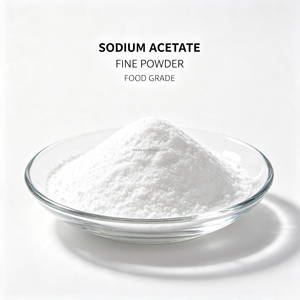
Rising consumer resistance to traditional chemical preservatives (e.g., high-dose parabens) has elevated demand for bio-preservation systems. Combining natural dried yolk matrices with Epsilon-PolyLysine (EPL) Hydrochloride, Sodium Acetate, and Citric Acid (E330) allows industrial bakeries and sauce processors to achieve extended ambient shelf lives while maintaining clean-label consumer appeal.
Recurrent Avian Influenza (HPAI) outbreaks across North America and Eastern Europe have exposed vulnerabilities in single-region egg procurement. Leading food brands are contracting with suppliers who maintain multi-origin factory approvals across Europe, South America, and Asia. Multi-region sourcing ensures unbroken continuity, hedged spot pricing, and guaranteed delivery during regional quarantine mandates.
Regulatory bodies in the EU and North America are tightening import scrutiny. CE-certified dried yolk factories are adopting digital batch traceability, certifying non-detectable residue levels for veterinary pharmaceuticals, heavy metals, and dioxins. Buyers now require complete lot-specific Certificate of Analysis (COA) upload prior to shipment arrival.
How technical R&D teams leverage functional dried yolk and natural preservative networks to optimize texture, taste, and stability.
In 65% to 80% oil-in-water (O/W) emulsions, dried egg yolk provides the structural backbone. The naturally occurring LDL particles adsorb at the oil-water interface, creating a dense particulate layer that resists coalescence. When formulated alongside Anhydrous Sodium Acetate (CAS 127-09-3) and Citric Acid E330, formulations achieve optimal viscosity without starch over-loading, while maintaining microbiological stability against spore-forming spoilage organisms at pH levels below 4.2.
Dried yolk lipids bind with wheat starch amylose during baking gelatinization, creating an amylose-lipid complex that significantly delays retrogradation (staling). In brioche, cakes, and sweet doughs, replacing liquid yolk with spray-dried yolk powder allows precise dough hydration control. Adding micro-dosed Potassium Sorbate 99% Granules ensures cake systems retain moisture and crumb softness over 90+ days of ambient retail display.
In chocolate fillings, nougats, and compound coatings, egg yolk phospholipids function as natural viscosity reducers, replacing soy or sunflower lecithin when non-GMO or clean-label declarations are required. The natural lecithin concentration aids in uniform cocoa butter crystallization, preventing moisture migration and cocoa butter fat bloom during storage temperature fluctuations.
Egg yolk powder is an exceptional source of bioavailable phosphatidylcholine, lutein, and essential fatty acids. R&D teams formulating medical nutrition beverages and meal-replacement powders utilize spray-dried egg yolk to provide clean-label fat calories, rich mouthfeel, and essential brain health nutrients without artificial emulsifiers or synthetic nutrient fortification.
Consolidating global ingredient procurement through audited processing plants, complete documentation, and agile supply chain logistics.
Managing dozens of raw material vendors creates administrative friction and compliance risk. Our enterprise supply solution consolidates over 2,500 food and beverage ingredients into a streamlined, audited supply schedule. Whether sourcing bulk spray-dried yolk powder, organic acids, or specialty hydrocolloids, buyers receive consistent landed pricing, single-invoice efficiency, and predictable delivery windows.
We provide more than raw ingredient supply — our technical applications team works directly alongside your bench chemists and plant production managers to solve real-world processing hurdles.
Answers to common technical, regulatory, and logistics queries submitted by enterprise purchasing agents and quality assurance managers.
Submit your target parameters, volumetric requirements, or custom formulation specs. Our technical sales engineers will deliver a competitive landed quote and complete compliance documentation within 24 hours.
Send an Inquiry